All Categories
Featured

Comparing 2026 Term Life Insurance Rates for Families
Table of Contents
HHS plans to broaden access to devastating health protection through its new hardship exemption guidance, the department announced today. More individuals will be eligible for devastating coverage beginning Nov. 1, 2025, when open enrollment starts. Catastrophic health plans generally have low month-to-month premiums and very high deductibles, making them a more budget-friendly option for individuals who are seriously sick or hurt.
HHS' brand-new hardship exemption guidance will make it simpler for people to gain access to catastrophic protection if they are ineligible for advance payments of the exceptional tax credit (APTC) or cost-sharing reductions (CSRs), based on their annual household earnings. Normally, customers who are newly ineligible for APTC or CSRs due to their projected annual income being listed below 100% or above 400% of the federal hardship level are eligible for a hardship exemption and can enlist in disastrous coverage.
The modifications were driven by predicted boosts in health insurance premiums for the 2026 strategy year throughout the individual market, CMS stated in an accompanying truth sheet. Rate boosts might result in obstacles with getting protection under a Qualified Health insurance, especially for those whose income makes them ineligible to get APTC or CSRs.
Comparing Individual Health Insurance Quotes Online
"Catastrophic protection offers affordable health insurance coverage for more youthful Americans and those facing challenge to have security when they require it most," HHS Secretary Robert F. Kennedy, Jr. stated in the statement. "Broadening access to devastating coverage is another step in making health insurance more budget friendly, building on the progress made since the passage of President Trump's One Big Beautiful Expense.".
New guidance from the U.S. Department of Health and Person Providers (HHS) will broaden customer access to economical disastrous health care policies. NAIFA has actually long advocated for access to affordable disastrous health plan options. Under the brand-new policy, customers who are not qualified for advance payments of superior tax credits or cost-sharing reductions on the Medical insurance Market are eligible for challenge exemptions allowing them to acquire disastrous plans beginning November 1.
They also cover preventative services needed under the Affordable Care Act and approximately three pre-deductible gos to with primary care doctors. The exemption will use to consumers buying plans either on or off the Exchange. Beginning November 1, 2025, customers can obtain the hardship exemption in 2 ways: Use online for Marketplace coverage on or through a certified partner.
Submit a challenge exemption type by mail. HHS is likewise streamlining the procedure by improving the review of paper applications to minimize the administrative problem on customers. This modification will make it easier for people experiencing hardship and seeking a catastrophic strategy to access the full series of catastrophic protection options readily available to them.
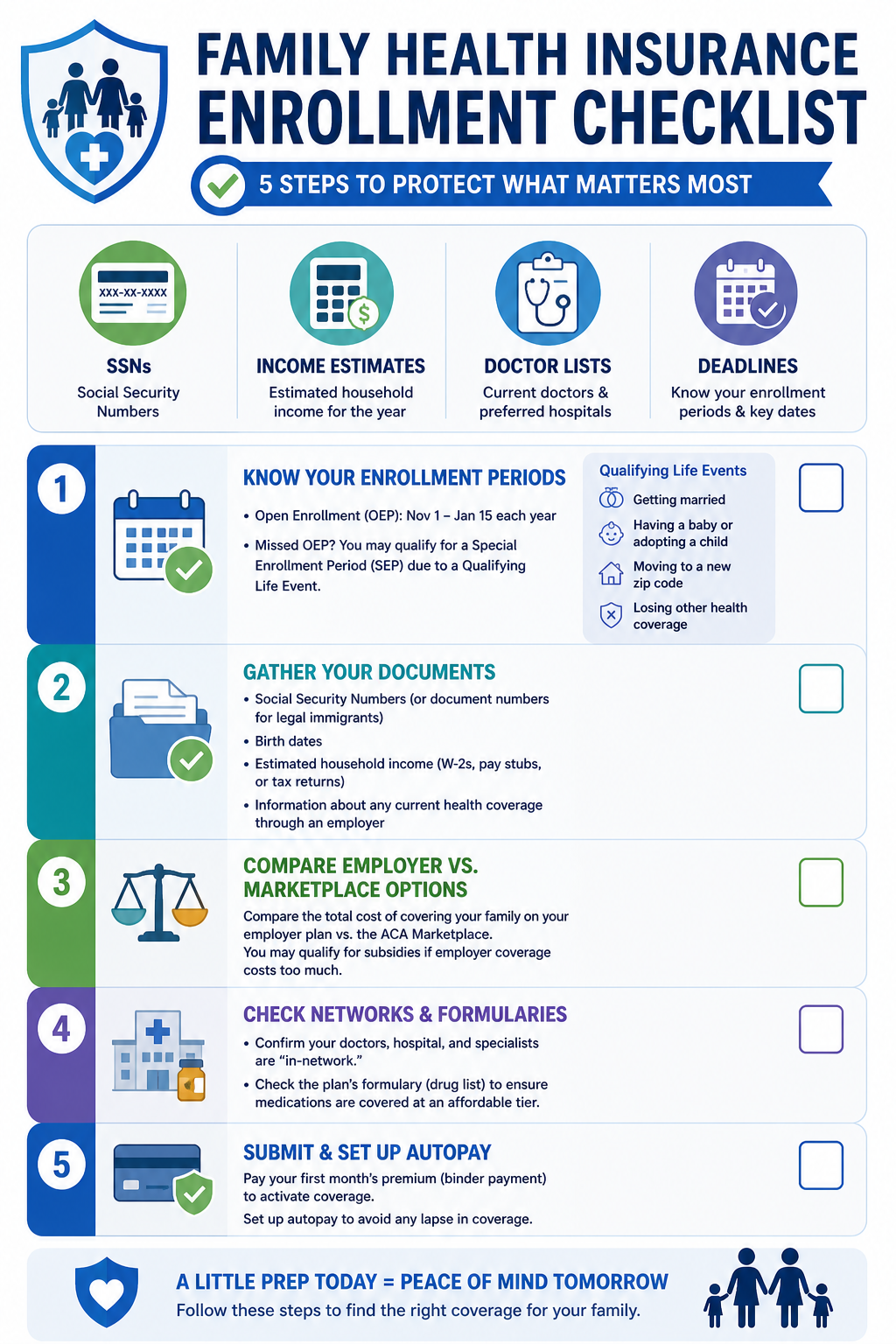
Securing Cheap 2026 Family Health Quotes
Pennsylvania family health insurance for 2026 operates on two parallel tracks that often use at the same time to families with kids. The Pennie marketplace covers grownups and household systems with federal exceptional tax credits and Silver cost-sharing reductions. Pennsylvania CHIP covers children under 19 in homes earning approximately 319 percent of the federal poverty level roughly $102,521 for a family of 4 through a separate, normally more detailed and less pricey program.
Understanding both tracks is the essential to finding the most affordable total household protection expense in 2026. Mixed-race family of four at a Bethlehem cooking area table evaluating 2026 Pennsylvania family health insurance coverage and CHIP choices Pennsylvania CHIP covers children under 19 in households earning approximately 319 percent of the federal poverty line approximately $102,521 for a household of four in 2026.
CHIP Tier Earnings Range (Household of 4) Month-to-month Premium Copays Medical Assistance (children)Under $54,395 (under 215% FPL)$0None Free CHIP$ 54,395$66,120 (215%258% FPL)$0Minimal ($5$10) Affordable CHIP$ 66,120$89,750 (258%350% FPL)$30$75/child/mo$10$20 per see Full-Cost CHIP$ 89,750$102,521 (350%319%? check)Greater premiumStandard CHIP copays CHIP enrollment is open year-round there is no open enrollment restriction. Pennsylvania families can apply through the Pennie application, through the Pennsylvania DHS COMPASS system, or by calling DHS straight at any time.
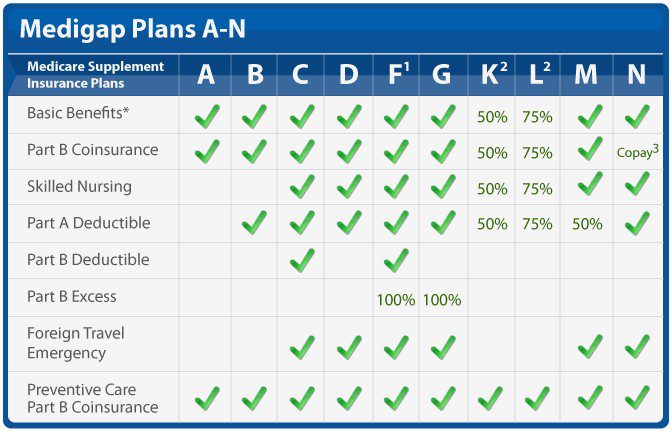
Choosing Top Medicare Supplement Coverage in 2026
Provider schedule determines which CHIP strategy a family selects not all CHIP carriers operate statewide. Households then select their preferred CHIP carrier for each eligible kid, and the carrier handles all strategy benefits, authorizations, and consumer service for that child.
A Self-reliance Blue Cross Pennie prepare for moms and dads coupled with Self-reliance Blue Cross CHIP for kids creates a constant supplier network and reduces coordination complexity. When possible at the very same premium level, matching CHIP and Pennie providers within a family simplifies provider choice for children's professionals who accept both programs.

Latest Posts
Comparing New Advantage Options

Getting Individual Health Insurance Quotes Easily
HMO vs PPO: Selecting the Network