All Categories
Featured

Requesting Individual Health Insurance Quotes Online
Table of Contents
You are paying for permanence and guaranteed money value, not just a death benefit. Bigger entire life policies scale up roughly in proportion to the face quantity.
Below are typical term life rates for seniors a $250,000 10-year term policy (male, non-smoker): AgeMonthly PremiumAnnual Cost60$70$84065$120$1,44070$210$2,52075$380$4,560 A lot of carriers cap term length as you age a 20-year term is commonly offered at 60 however rarely at 70. Match the term to a particular need (a staying home mortgage, a partner's earnings space).
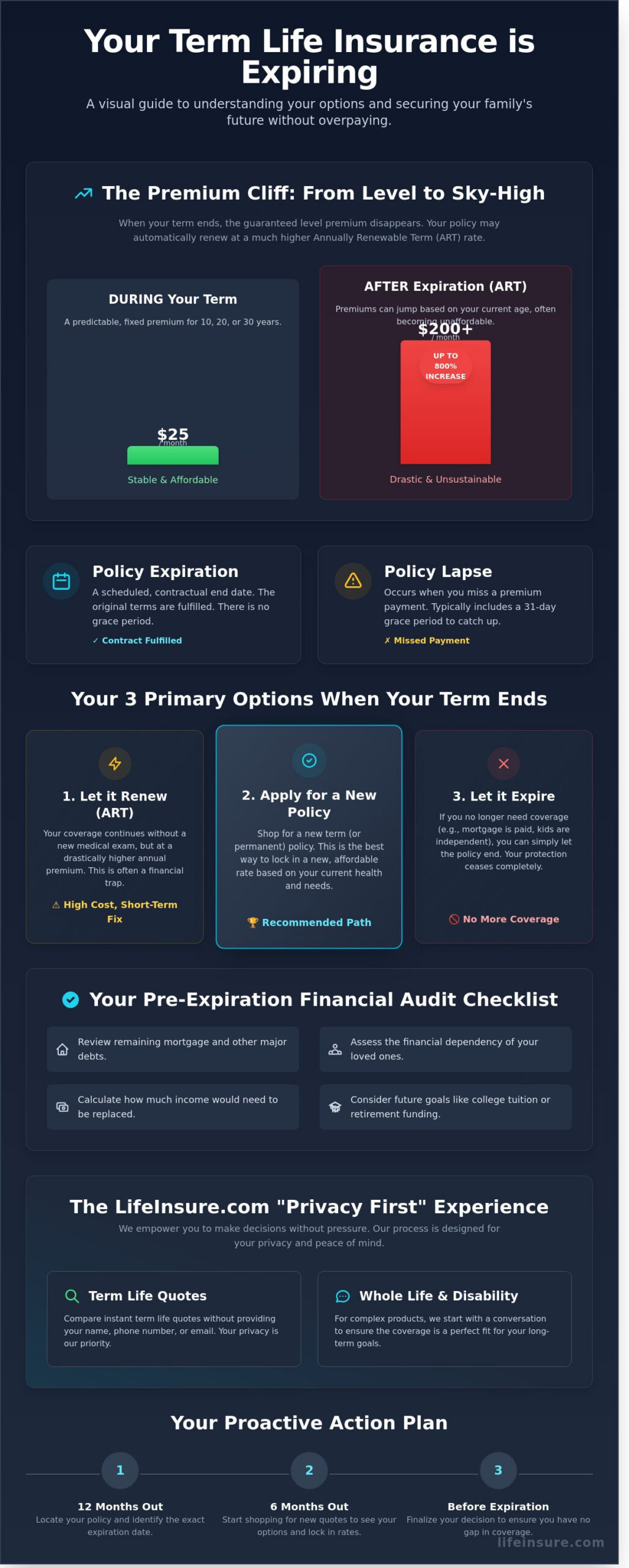
A specialist broker helps you discover the provider that treats your health most positively. This is the cheapest time to buy, even if your coverage requirements are modest.
Comprehensive Life Insurance Solutions for Veterans
Lock in the lowest rate possible for the longest duration. You can always include more coverage later on. Peak purchasing time. The majority of people start households, purchase homes, and hit their stride in their careers. SituationRecommended CoverageMarried, kids, home loan$750K-$1.5 MSingle moms and dad$500K-$1MHigh earner ($150K+)$1.5 M-$3MPersonal + essential individual protection 20-year level term if your kids are young.
SituationRecommended CoverageKids heading to college in 5-10 years$500K-$1M (match to remaining years)Large home loan remainingCoverage matching balanceApproaching peak making years10-15x earnings 15 or 20-year level term. If you already have a 30-year term from your 30s, you may have enough.
Kids might be independent, home loan is shrinking, and retirement cost savings are growing. SituationRecommended CoverageMortgage nearly paid offReduce protection or keep for earnings replacementKids independentCoverage need drops significantlySpouse depends on your incomeMatch to years until retirementFinal expenditures only$25K-$50K irreversible policy 10-year term for particular needs, or final expense entire life for irreversible protection.
Why to Use IUL for Retirement Planning
SituationRecommended CoverageFinal costs just$15K-$25K whole life or burial insuranceSpouse income security$100K-$250K termLegacy/ inheritanceWhole life based upon preferred bequestEstate tax planningConsult estate lawyer Last expense entire life for the majority of. 10-year term for specific short-term needs like a staying mortgage. Here is the real cost of procrastination: Purchase AgeMonthlyTotal Over 20 YearsExtra Expense vs.
Which presumes you stay healthy. If you establish a health condition while waiting, the boost is even bigger. The math is basic: buy now, pay less. Get a totally free life insurance quote and see precisely what protection expenses at your age. What is the best age to buy life insurance? The very best age is as young as possible.
Insurance in Moorpark CAA 25-year-old pays approximately half what a 35-year-old pays for the very same coverage. Purchasing in your 20s locks in the lowest rate for the longest period. How much does life insurance increase by age? Rates boost about 8-10% per year in your 20s-30s, 10-15% each year in your 40s, and 15-20% each year in your 50s-60s.
Insurance in Moorpark CA
How Whole Life Insurance Protects Families in 2026
Is it too late to buy life insurance at 60? What are whole life insurance rates by age? Entire life is several times more costly than term because the protection is long-term and constructs money value.
Women pay roughly 10-20% less. Larger entire life policies scale up from there. See the entire life chart below. What are typical life insurance rates for seniors? For a healthy senior, a $250,000 10-year term policy (male, non-smoker) costs approximately $70/month at age 60, $120/month at age 65, and $210/month at age 70.
Rates increase steeply with age, so using faster rather than later matters most in this bracket. Compare rates from leading life insurance coverage carriers. In this post, we'll break down the numerous elements that influence life insurance coverage costs, how much you can expect to pay, and tips for getting the finest rates.
The buying a 20-year term policy for $250,000 in protection. for the exact same coverage. looking While the. Term Life insurance is often referred to by other names, such as "immediate life insurance coverage" or "no exam life insurance." These terms describe different types of term life insurance coverage policies. Life insurance coverage tends to be more costly than special needs insurance coverage since it provides a death advantage to recipients, which can be a considerable quantity of money.

Latest Posts
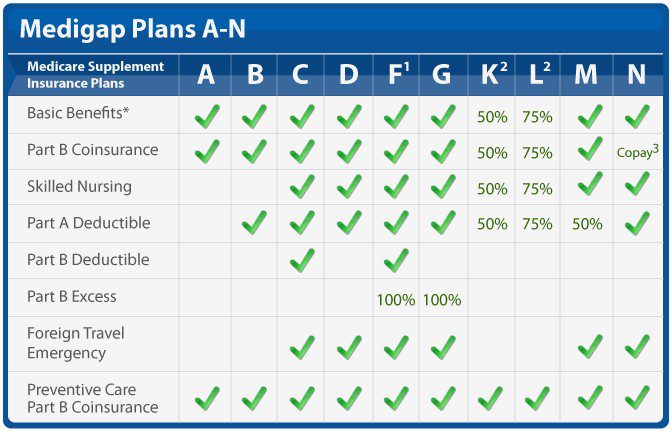
Comparing New Advantage Options

Getting Individual Health Insurance Quotes Easily
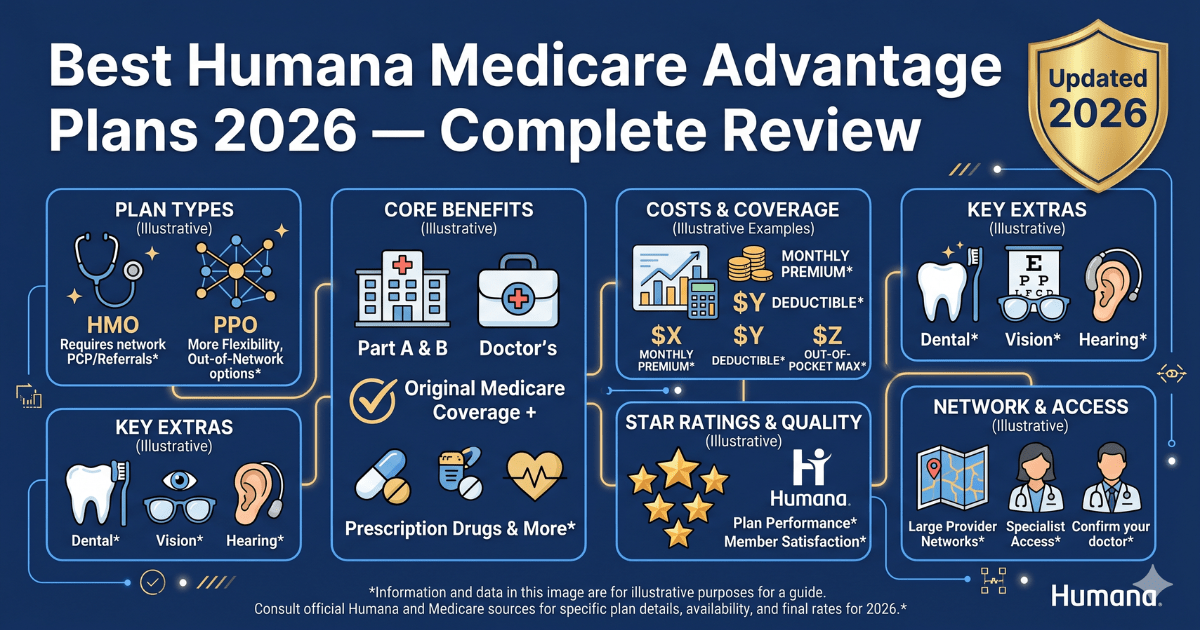
HMO vs PPO: Selecting the Network